

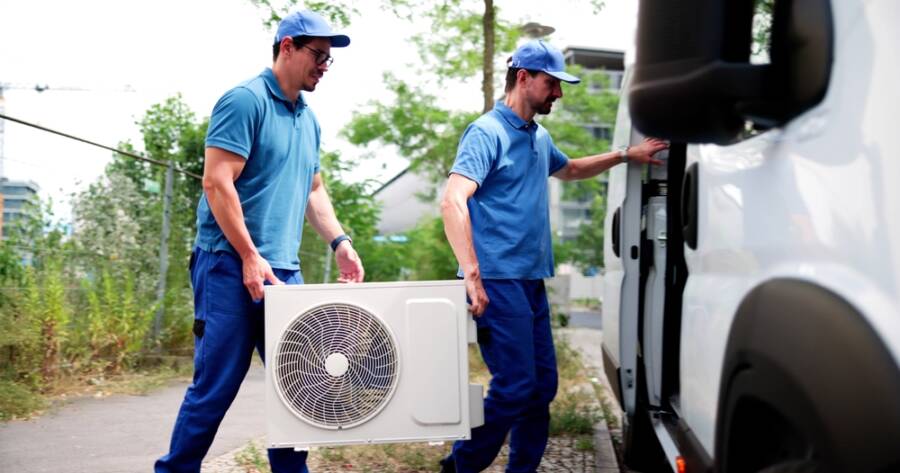
The HVAC industry relies heavily on delivery drivers who ensure that essential equipment and materials reach their destinations smoothly. Delivery drivers juggle responsibilities like customer interaction, route management, and cargo safety. Key skills, technological tools, and career development opportunities make the role a promising avenue for those interested in logistics and HVAC-related careers.
Understanding HVAC Delivery Driver Roles
The HVAC (Heating, Ventilation, and Air Conditioning) industry plays a pivotal role in ensuring comfortable environments in both residential and commercial settings. At the heart of the logistical operations within this industry are HVAC delivery drivers. These professionals are tasked with transporting essential equipment and materials to various locations, ensuring that installations and maintenance run smoothly.
Their responsibilities are diverse, ranging from loading and unloading heavy equipment to maintaining delivery logs, managing routes, and interacting with customers. For businesses, the effectiveness of delivery drivers can significantly impact customer satisfaction, as timely deliveries are crucial for project timelines to be maintained. Furthermore, the logistics sector highlights the importance of these roles in managing on-demand services, specialized cargo handling, and route optimization to enhance efficiency.
Key Responsibilities
The responsibilities of HVAC delivery drivers extend beyond merely transporting materials. They have to ensure all items are transported safely and efficiently from distribution centers to clients. This involves adherence to traffic and safety regulations, ensuring the integrity of the cargo, and making sure that deliveries occur according to schedule.
Interaction with customers at the delivery sites is also essential, requiring drivers to possess strong customer service skills and the ability to handle inquiries or issues that may arise during deliveries promptly and professionally. Additionally, drivers need to meticulously maintain delivery logs and handle invoices, ensuring all records are accurate and up-to-date to facilitate smooth operations.
Skills and Qualifications
To succeed as an HVAC delivery driver, individuals must possess specific skills and qualifications. Basic requirements include a valid driver’s license and potentially a commercial driver’s license (CDL) if operating larger vehicles. Candidates also often need to pass background checks and drug tests and possess the ability to handle the physical demands of the job, such as lifting heavy items and maintaining long periods of driving.
Skills like attention to detail, excellent communication, and proficiency in using navigation systems for route management are critical for effectively fulfilling deliveries. Employers value reliability and time management, with many preferring candidates who have prior experience in delivery roles or related fields.
Technological Integration
Modern technology plays a crucial role in enhancing the performance of HVAC delivery drivers. Tools like GPS navigation and route optimization software are now commonplace, aiding drivers in efficiently managing their routes and deliveries. Companies often provide these tools to ensure that deliveries are executed smoothly and on time.
Additionally, innovative platforms, like EquipmentShare’s T3 platform, integrate real-time fleet management, work orders, and delivery details, facilitating improved job performance and communication between drivers and their teams through technology. This technological approach not only improves operational efficiency but also helps in training drivers to adopt best practices in delivery management.
Career Prospects and Development
HVAC delivery driver positions offer significant potential for career development. Employers who focus on retention strategies provide competitive salaries, attractive benefits, and opportunities for professional growth, which are all factors that can enhance job satisfaction and lower turnover rates.
For instance, roles with companies like EquipmentShare offer benefits beyond competitive pay, including full medical coverage, substantial PTO, and a company-matched 401(k) to build long-term career pathways. Furthermore, continued training and development in areas such as safety protocols, customer service, and vehicle maintenance can lead to more advanced positions within the company, providing a robust career trajectory for those in the industry.
Why You Should Learn More About HVAC Delivery Driver Jobs Today
Pursuing a career as an HVAC delivery driver can be a rewarding choice for individuals looking for a dynamic role within the logistics and transportation sector. Not only does it offer a variety of daily tasks, but it also equips individuals with skills that are widely applicable across different industries. Learning more about this role could open doors to a stable career path with ample opportunities for growth and development.
As technology continues to evolve, the future for HVAC delivery drivers appears promising, with increasing reliance on logistics to support HVAC industry operations. Anyone interested in logistics, transportation, or the HVAC field should consider diving deeper into the potential and requirements of delivery driver roles in this vibrant industry.